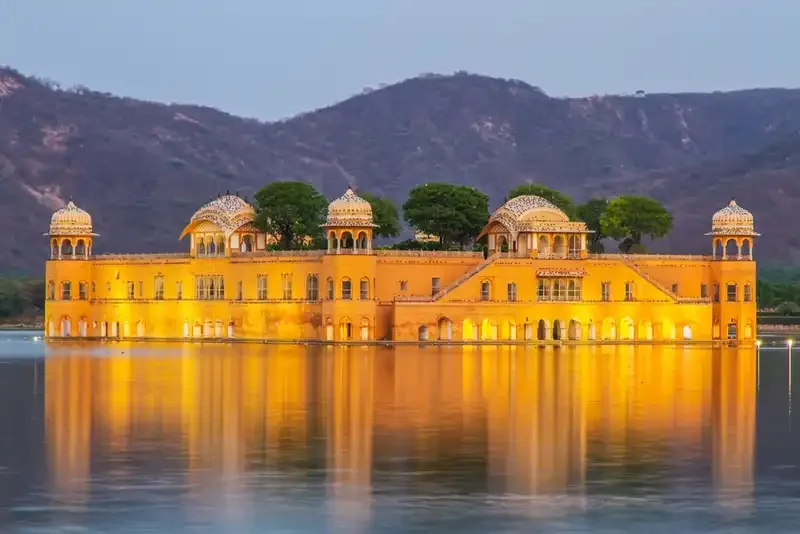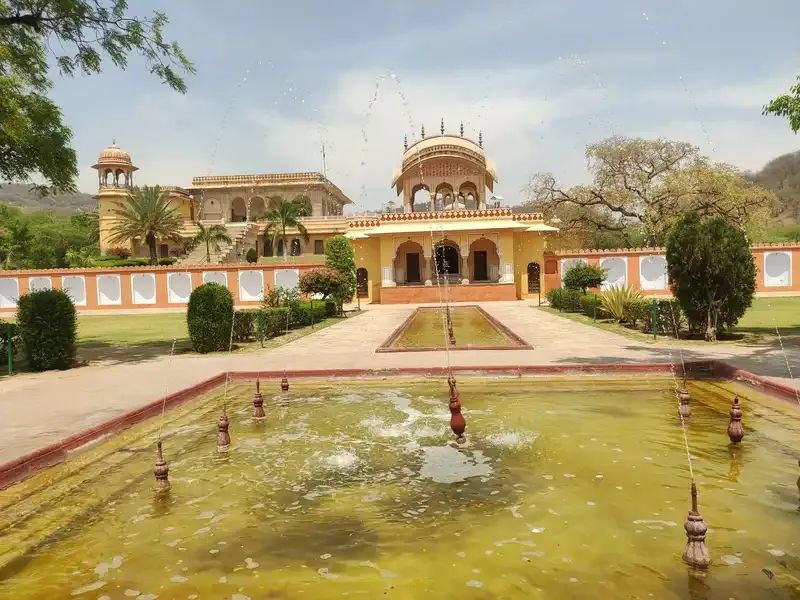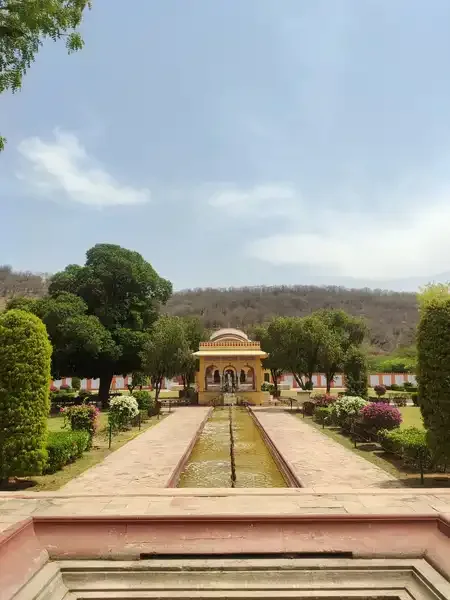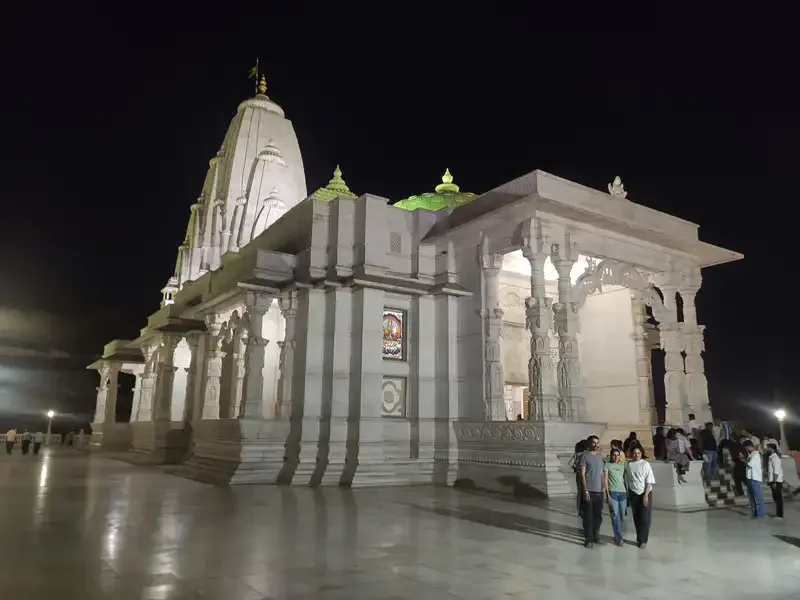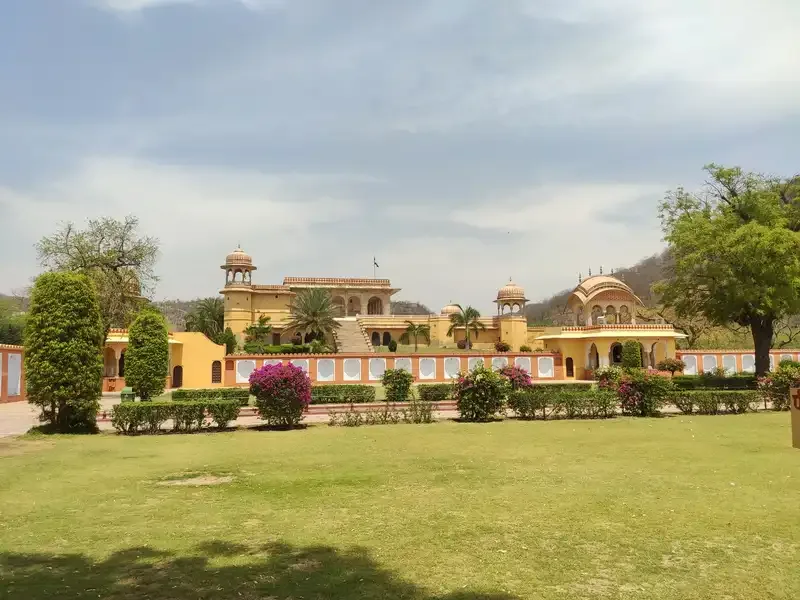
Jaipur, Rajasthan’s capital, was founded by Sawai Jai Singh II in 1727 as a carefully planned city on the plains below Amber. Its orderly streets and public squares distinguish it from older settlements that developed around hilltop strongholds. Visitors come for the palaces and pink façades, but the continuing trade in textiles, jewellery and everyday goods gives the historic centre much of its character.
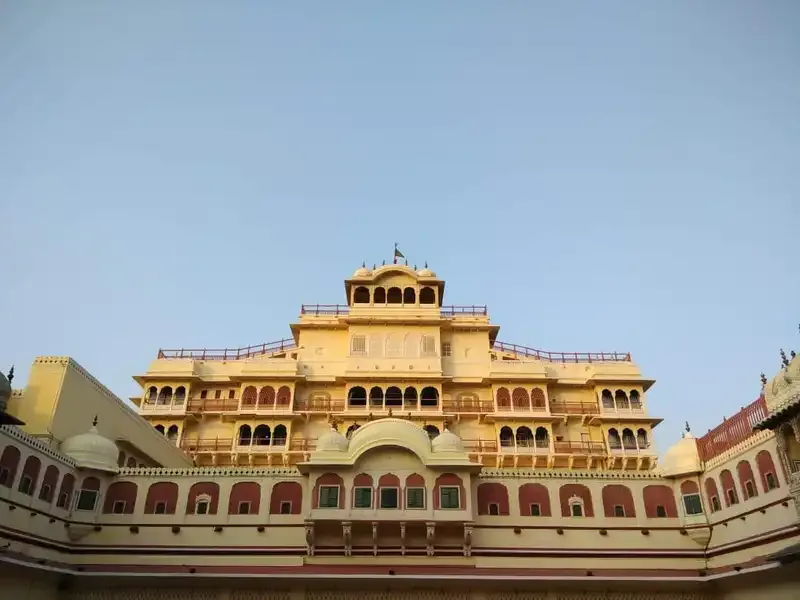
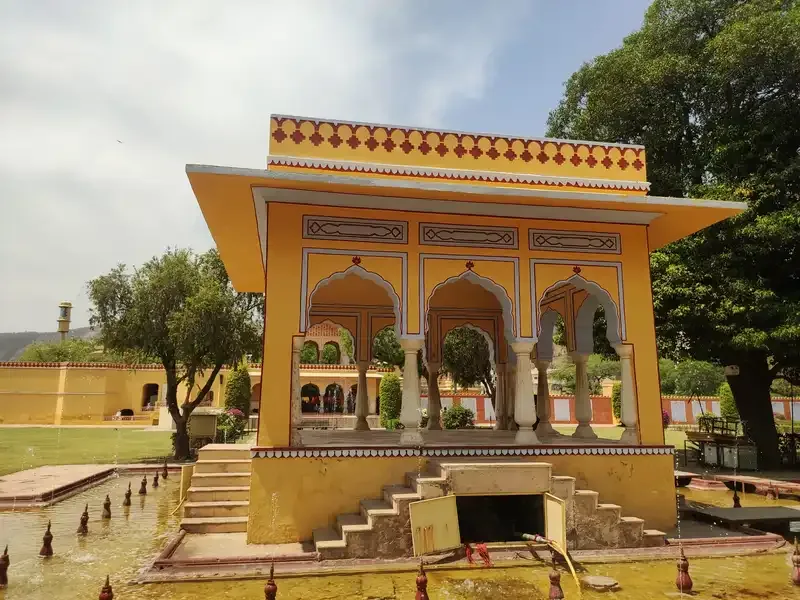
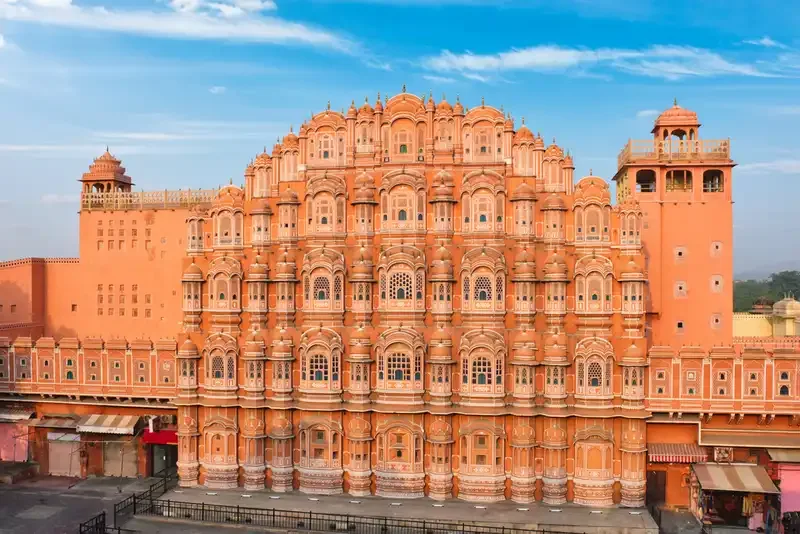
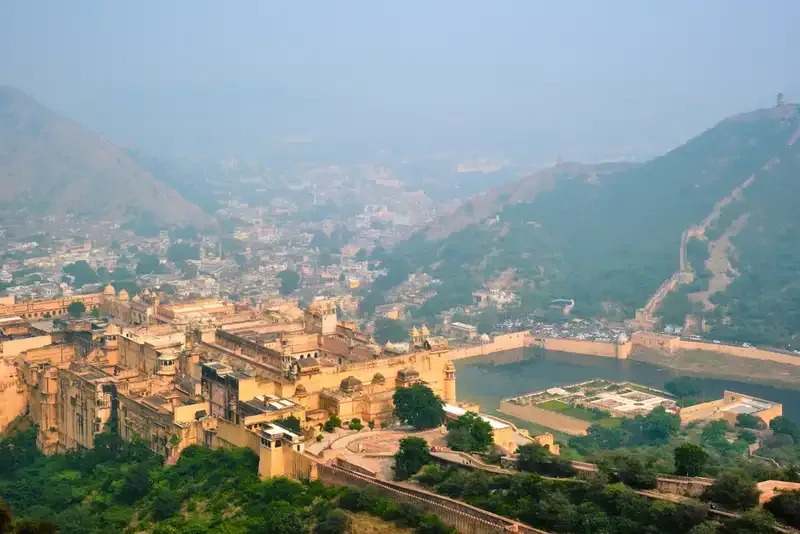
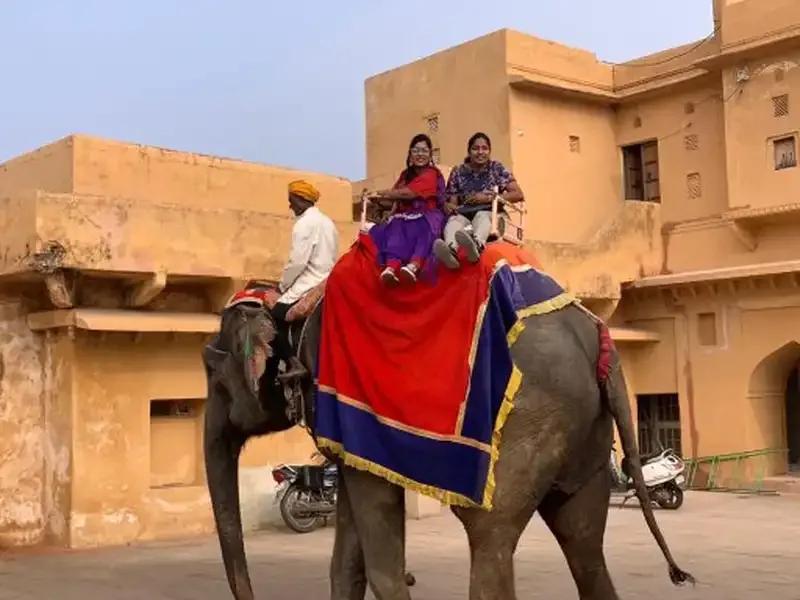
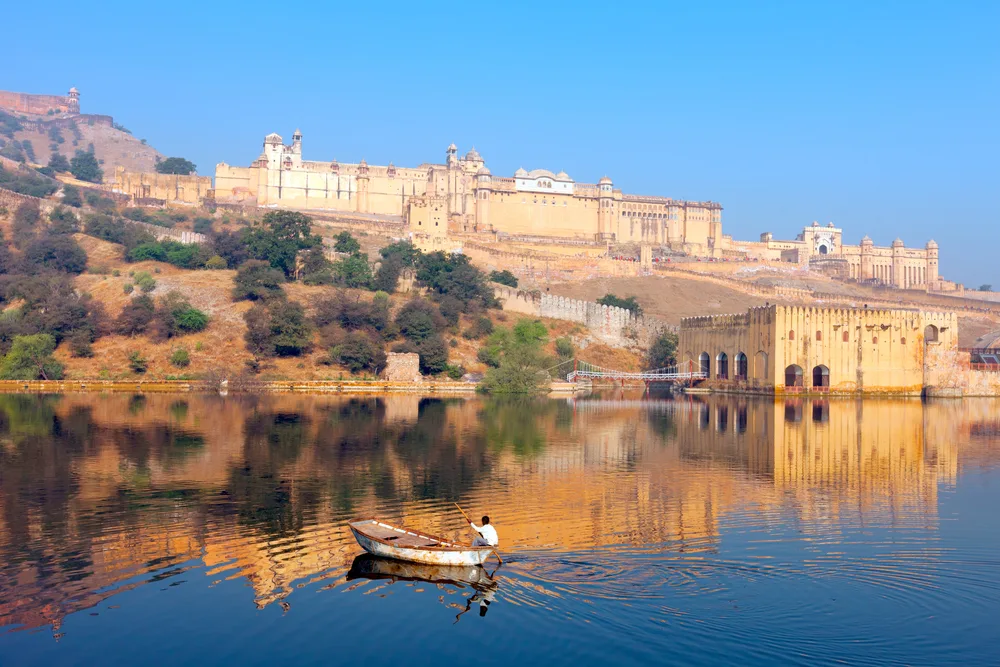
Amber Fort, also known as Amer, introduces the earlier royal capital through courtyards, decorated gateways and mirror-work interiors. Within Jaipur’s walled city, the City Palace and Jantar Mantar reveal the court’s interests in ceremony, collecting and astronomy. Hawa Mahal connects royal life with the street outside, while Gaitore’s carved memorial pavilions offer a quieter architectural stop. Nahargarh provides a broader view of the city beneath the hills.
Allow time between these landmarks for experiences that explain what Jaipur still makes and enjoys. Follow a manageable bazaar route, examine the stages of blue-pottery production or learn to recognise hand-printed textile patterns. A freshly cooked pyaaz kachori or a seasonal ghewar tasting adds another local reference. Shopping can be worthwhile, but an educational craft visit should not automatically become an obligation to buy.
Two full sightseeing days cover the principal sights comfortably; a third allows more time for crafts, museums or a slower pace. Group the Amber area separately from the central palace-and-bazaar circuit rather than repeatedly crossing the city. Jaipur works naturally with Delhi and Agra, while private planning can also accommodate onward Rajasthan travel, specific interests and necessary rest breaks.